Pet Scan:  Mobile Veterinary Ultrasound Service
  • Home
  • Indications for Ultrasound
  • Services
  • What To Expect
  • Our Doctors
  • Referring DVMs

Shaker Syndrome - Generalized Tremor Syndrome

7/6/2014

0 Comments

 
Generalized Tremor Syndrome in Dogs
Shaker syndrome is a disorder which causes a dog's entire body to shake. It is also known as idiopathic cerebellitis, which describes inflammation of the cerebellum (the part of the brain that is responsible for the coordination and regulation of voluntary muscular movement) for unknown reasons.

While dogs of any coat color can be affected, those with a white hair coat are over-represented in the medical literature. For example, Maltese and West Highland White Terrier (Westie) appear to be predisposed. In addition, both genders are affected by shaker syndrome, especially young to middle-aged dogs.

Symptoms and Types
  • Diffuse body tremors
  • May be mistaken for anxiety, or low body temperature (hypothermia)


Causes
Although a dog may be affected by the syndrome due to unknown reasons (idiopathic), it is most often associated with mild central nervous system disease.

Diagnosis
You will need to provide a thorough history of your dog's physical and behavioral health leading up to the onset of symptoms. Your veterinarian will perform a complete physical exam on your dog, including standard laboratory work, such as a blood chemical profile, a complete blood count, a urinalysis and an electrolyte panel to rule out other diseases. A cerebrospinal fluid (fluid from the spinal cord) sample may also be taken by your veterinarian and sent to the laboratory for analysis of the nervous system.

Your doctor will use the process of differential diagnosis to rule out each of the more common causes until the correct disorder is settled upon and can be treated appropriately. Some other causes for the tremors can be anxiety/fear, seizures, and hypothermia.

Treatment
Depending on how severe the tremors are, and your dog's overall condition, care will be given inpatient or outpatient. If your dog is very ill as the result of tremors, or if there is an underlying condition or infection, your dog will be hospitalized until its health stabilizes. The primary treatment for neurological shaker syndrome is the use of corticosteroids for reducing the inflammatory response in the body. Most dogs recover in a week although some rare patients never entirely recover. The steroids will be gradually reduced over the course of a few months until they are not being used anymore. Steroid treatment will be  reinstated if symptoms recur, and in some cases, steroid treatment will need to be continued for a longer period and possible even the lifetime of the dog in order to maintain health.

Living and Management
Your veterinarian will schedule weekly evaluations for your dog for the first month after the initial treatment. Thereafter, your veterinarian will schedule monthly follow-up appointments with you for your pet until the corticosteroids are discontinued.
0 Comments

Thunder and Lightning and our pets...

6/23/2014

0 Comments

 
If you live in an area prone to thunder and lightning storms, please read our article: Thunder and Lightning Safety for Your Pet 

If your pet suffers from a fear of loud noises, including thunder, please read our article: 10 steps to calm dogs afraid of thunder and lightning storms

0 Comments

Diabetes in Dogs

6/16/2014

1 Comment

 
Diabetes Mellitus Without Complication in Dogs
Diabetes mellitus is a diseased state by which the body suffers from either an absolute shortage of insulin (Type I), or from an incorrect response from the cells to the insulin that is being produced, a condition termed insulin resistance (Type II). Both of these conditions will prevent the muscles and organs from converting glucose to energy, and will result in excessive amounts of glucose in the blood, which is also referred to as hyperglycemia.

Diabetes is a disorder of carbohydrate, protein, and fat metabolism caused by an absolute or relative insulin deficiency. Metabolism refers to how the body digests and uses food for growth and energy, and this process is largely dependent on a sufficient amount of insulin in the body.

Insulin is a hormone that is produced in the pancreas, releasing into the cells in response to the digestive conversion of proteins into glucose in the bloodstream. Much of the food that is ingested is broken down into glucose, a type of sugar in the blood and one of the body's main sources of energy. Appropriate insulin function will trigger the liver and muscles to take up glucose from the blood cells, converting it to energy.

Diabetes, a common condition for humans, is also relatively common in domestic animals like dogs. Type I diabetes is the more severe form of the disease, as it is dependent on daily insulin injections for maintaining blood sugar balance (insulin dependent diabetes mellitus – IDDM).

An affected dog will be hungry a lot of the time, since glucose is not making it to the brain; glucose levels in the brain are too low for the brain to register that it is receiving food. Because insulin is not giving the muscles and organs the signal to convert glucose to energy, the excess glucose in the blood will be carried out of the body in urine instead of being used for energy, and there will be a concurrent lack of energy. There is also increased thirst as a result of the increase in urine. The liver is adversely affected by this condition, as are the eyes and kidneys.

At heightened risk are obese dogs and female dogs. While many cases of diabetes are seen in older dogs, it can occur at any age.

Symptoms and Types

Early signs

  • Excessive urination
  • Excessive thirst
  • Hunger
  • Weight loss even with normal appetite
Later signs

  • Anorexia – complete loss of appetite
  • Lethargy and depression
  • Vomiting


Development of Ketoacidosis – metabolic acidosis caused by the breakdown of fat and proteins in the liver in response to insulin deficiency

  • Depression
  • Vomiting
Other symptoms include:

  • Enlarged liver
  • Cataracts
  • Bladder or kidney infection
  • Obesity
Causes
There are several possible causes for diabetes mellitus. Genetic predisposition is one likely cause, since some breeds seem to be predisposed to diabetes, and dogs that have diabetes often also have relatives with it. However, there is also thought to be a relation to hormones therapies, since dogs that are receiving drugs to control heat cycles are at a higher risk for developing diabetes. This is due to their interference with insulin production. Pancreatitis is also likely to be a factor.

Some causes that are still being investigated are immune-system disorders, and there are indications that viral diseases can also lead to this condition. The prevalence of diabetes in dogs is not great; it varies between one in 400 and one in 500.

The following breeds are at a higher risk:

  • Keeshond
  • Puli
  • Miniature Pinscher
  • Samoyed
  • Cairn terrier
  • Poodle
  • Dachshund
  • Miniature Schnauzer
  • Beagle

Diagnosis
Your veterinarian will take detailed medical history from you of your dog's health leading up to the onset of symptoms and details of the exact symptoms. Standard tests will include a complete blood count, chemical profile, and urinalysis. These tests should be sufficient for diagnosis and initial treatment.

Typically, with diabetes, an unusually high concentration of glucose will be found in the blood and urine. Abnormally high levels of liver enzymes and electrolytes imbalances are also common. Urine test results may also show evidence of abnormally high levels of ketone bodies - water-soluble compounds produced as a by-product of fatty acid metabolism in the liver and kidney. A numbers of other abnormalities may also be found.

Radiographic studies, including x-rays and ultrasonography, can be helpful for the diagnosis of concurrent diseases and complications due to diabetes. Abdominal X-rays and ultrasound will help to determine the presence of kidney stones and/or inflammation of the pancreas and liver, as well as other associated abnormalities. In the case of liver disease, should it appear suspect, your veterinarian may decide to take a sample of liver tissue for further diagnostic evaluation.

Treatment and Care
Your veterinarian will prescribe a course of treatment that will include daily exercise in your dog’s schedule. Lowering insulin demands and balancing your dog's food and liquid cravings to healthy levels will be the first priority. Obesity is one of the major risk factors for diabetes, and this condition can make management of diabetes difficult, but it can only be brought under control slowly and with great care. The target weight may be reached in 2-4 months, but your veterinarian will need to suggest a practical time line that is appropriate for your dog. If your dog has actually lost weight, you will need to work with your veterinarian on a plan to increase your dog's weight to normal levels.

Soft and moist foods will have to be avoided because they cause rapid accumulation of glucose in the body. However, do not change your dog food suddenly and without first discussing it with your veterinarian. Your dog will need a well-thought out and strictly enforced diet plan. Your veterinarian can help you to design a plan that is well suited to your dog's needs, with life-style changes to facilitate proper management of the diabetes.

Most patients' diabetes can be managed without complications, but for some dogs the situation may be more challenging. Your veterinarian will make an individual treatment and management plan for your dog based on the dog's current disease status. Your veterinarian will also brief you on what to look for in case of eitherhypoglycemia (low levels of glucose) or hyperglycemia (high level of glucose), both of which can be seen in diabetic dogs. Keeping a daily and weekly chart of your dog's diet, glucose test results, daily insulin dose, and weekly body weight is highly recommended for following patterns and recognizing when your dog deviates from it's regular pattern. There are various types of insulin available and a selection of the type that is appropriate to your dog will made by your veterinarian.

For instance, smaller dogs usually need multiple doses of insulin as part of their daily insulin therapy, while larger dogs may only need one dose per day. Likewise, doses are calculated according to the weight, age, gender and individual insulin requirements of the affected dog. Depending on how severe the diabetic condition is, and how the amount of insulin in the body variates from day to day, you may need to evaluate your dog's blood glucose levels on a daily basis and adjust the insulin dose accordingly.

If this is a serious issue, and there are no plans to breed, your veterinarian will recommend a hysterectomy for your female dog. This is to avoid the surge of hormones at the time of estrus, which can further complicate your dog's health. Unfortunately, this is not a disease that will be cured, but your dog's health can be kept stable and it can go on to live a fully enjoyable life. This will be dependent on your willingness to adhere to your doctor's dietary recommendations. If properly managed, diabetic patients do well and usually have normal life-spans. The best preventive from complications is practicing careful maintenance.

1 Comment

Salmonella Infection in Dogs 

5/30/2014

2 Comments

 
Salmonellosis in Dogs
Salmonellosis is an infection found in dogs caused by the Salmonella bacteria. It often leads to disorders, including gastroenteritis, spontaneous abortions, and septicemia. This bacterial disease is also zoonotic, meaning it can be transmitted to humans.

NOTE: Salmonellosis affects both dogs cats, so the following content is applicable to cats as well.

Symptoms and Types
The severity of the disease will often determine the signs and symptoms that are overtly present in the dog. Symptoms commonly seen in dogs with salmonellosis include:

  • Fever
  • Shock
  • Lethargy
  • Diarrhea
  • Vomiting
  • Anorexia
  • Weight loss
  • Dehydration
  • Skin disease
  • Mucus in stool
  • Abnormally fast heart rate
  • Swollen lymph nodes
  • Abnormal vaginal discharge
  • Miscarriage or spontaneous abortion

Chronic forms of salmonellosis may exhibit some of these same symptoms; however, they will be more severe. These include symptoms:

  • Fever
  • Weight loss
  • Loss of blood
  • Non-intestinal infections
  • Diarrhea that comes and goes with no logical explanation, which may last up to three or four weeks, or longer

Causes
There are more than 2,000 different types of Salmonella, a Gram-negative enterobacteria. Typically, a host animal carrying the disease will have two or more different microorganisms or types of Salmonellae bacteria that cause this disease.

Risk factors include the contaminated dog treats and food items, a dog's age with younger and older animals most at risk due to their underdeveloped and/or compromised immune systems. Similarly, dogs with weak immune systems or immature gastrointestinal tracts are at risk.

Dogs receiving antibiotic therapy are also at risk because the healthy bacteria that line the digestive tract (or florae), may become imbalanced, increasing the risk of salmonellosis.

Diagnosis
To confirm a diagnosis of salmonellosis, your veterinarian will examine your dog for different physical and pathological findings.

Unfortunately, a dog infected with the bacteria will typically not show any clinical symptoms. However, some dogs do have gastroenteritis, a disease affecting the gastrointestinal system that presents with an inability to eat, general poor health and fatigue, depression, and a chronic fever that may stay as high as 104 degrees Fahrenheit.

Other diagnostic features include:

  • Acute vomiting and diarrhea
  • Low albumin
  • Low platelet levels
  • Non-regenerative anemia
  • Abnormally low white blood cell count
  • Electrolyte imbalances, which may include sodium and potassium imbalances

Your veterinarian may want to also rule out other conditions that can result in similar symptoms, including parasites, dietary-induced stress (including allergy or food intolerances), drug or toxin-induced stresses, and diseases like viral gastroenteritis or bacterial gastroenteritis caused by E. Coli or other common bacteria.

Diagnostic procedures typically involve collecting urine and fecal samples for laboratory analysis. Your veterinarian may also find it helpful to conduct blood cultures.

Treatment
Outpatient treatment is often possible in uncomplicated cases. However, if a dog hassepsis, a blood infection, or a severe case of salmonellosis, inpatient care may be necessary, especially for puppies that have developed severe dehydration as a result of the infection.

Treatment may include rehydrating your dog, helping it to overcome severe weight and fluid loss, and replacing lost electrolytes. In severe cases of salmonellosis, plasma or blood transfusions may be necessary to help replace fluids and serum albumin.

They are a few antimicrobials available to your veterinarian that may be used for treating dogs with salmonellosis. Glucocorticoids, a form of adrenal or steroidhormone, may also help to prevent shock in dogs with severe salmonellosis.

Living and Management
Your veterinarian may order a 48-hour food restriction as part of your pet's care. In some cases, dog owners need to be separated from their pets during the acute stage of the disease because of the zoonosis of salmonellosis. Strict attention to hygiene is essential for preventing further spread of disease, which is often shed in the infected dog's stool.

It is important to provide your dog a nutritionally-balanced diet. Avoid giving your dog raw or undercooked meat, as this is a risk factor for salmonellosis. If possible, avoid animal pounds and shelters, as overcrowding may also promote the spread of disease.

2 Comments

Von Willebrand's Disease - A Bleeding Disorder in Dogs 

5/29/2014

1 Comment

 
Von Willebrand's Disease in Dogs

Von Willebrand’s disease (vWD) is a blood disease caused by a deficiency of von Willebrand Factor (vWF), an adhesive glycoprotein in the blood required for normalplatelet binding (i.e., clotting) at the sites of small blood vessel injuries. In addition, vWF is a carrier protein for coagulation Factor VIII (necessary for blood to clot). A lack of vWF impairs platelet stickiness and clumping. Similar to hemophilia in humans, this condition can lead to excessive bleeding following an injury, due to the lack of clotting.


VWF is an autosomal (non-sex-linked) trait, which both males and females express and transmit genetically and with equal frequency. The expression pattern of the severe forms (Types 2 and 3 vWD) is recessive while the milder form (Type 1 vWD) appears to be recessive or incompletely dominant. This is the most common hereditary blood clotting disorder in dogs, occurring with more frequency in some breeds, including German shepherds, Doberman pinschers, Standard poodles, Shetland sheepdogs, and Golden retrievers.

Symptoms and Types
  • Spontaneous hemorrhage from mucosal surfaces:
    • Nosebleeds
    • Blood in the feces (black or bright red blood)
    • Bloody urine
    • Bleeding from the gums
    • Bleeding from the vagina (excessively)
  • Bruising of skin
  • Prolonged bleeding after surgery or trauma
  • Blood loss anemia if there is prolonged bleeding
Causes
  • Hereditary vWD is caused by mutations that impair vWF synthesis, release, or stability.

Diagnosis

Your veterinarian will perform a thorough physical exam on your dog, taking into account the background history of your dog's health and onset of symptoms. A blood chemical profile will be performed, with a complete blood count, a urinalysis, and an electrolyte panel. If there has been blood loss, a regenerative anemia will be seen on the complete blood count. Typically, the platelet count will be normal (unless your dog has experienced recent, massive bleeding), and coagulation tests will show normal results.

A clinical diagnosis of von Willebrand disease is based on a specific measurement of plasma vWF concentration bound to the antigen (vWF:Ag). The length of time that it takes for platelets to plug a small injury will be measured, with a test called the buccal mucosa bleeding time (BMBT). The BMBT test, along with the platelet function analyzer (PFA 100), are point-of-care screening tests where the endpoints are prolonged in patients with platelet clumping defects and vWF deficiency. Prolongation is nonspecific, and may accompany numerous severe disorders of the blood.

Treatment
Transfusion of fresh whole blood, fresh plasma, fresh frozen plasma, and cryoprecipitate will supply vWF to the blood. Component therapy (fresh frozen plasma or cryoprecipitate) is best for surgical prophylaxis (prevention) and nonanemic patients, to prevent red cell sensitization and volume overload. Patients with severe vWD may require repeated transfusion to control or prevent hemorrhage. If a dog lacking vWF requires surgery, a pre-operative transfusion should be given just before the procedure.

Living and Management
Most dogs with mild to moderate vWD will continue to have a good quality of life, requiring minimal or no special treatment. Dogs with more severe forms will require transfusion for surgery, and should be transfused if supportive care fails to control a spontaneous bleeding episode. Most of these dogs can be maintained comfortably, but their activities will need to be monitored and limited. If your dog has von Willebrand Disease and it has an episode of prolonged bleeding, call your veterinarian and take it to a veterinary clinic immediately for emergency treatment.

1 Comment

Collie Eye Defect in Dogs 

5/9/2014

0 Comments

 
Collie Eye Anomaly in Dogs 
Collie eye anomaly, also referred to as collie eye defect, is an inherited congenital condition. The chromosomes that determine the development of the eyes are mutated, so that the choroid (the collection of blood vessels that absorb scattered light and nourish the retina) is underdeveloped. The mutation can also result in other defects in the eye with more severe consequences, such as retinal detachment. When this mutation does occur, it is always in both eyes, although it might be more severe in one eye than the other. Approximately 70 to 97 percent of rough and smooth collies in the United States and Great Britain are affected, and approximately 68 percent of rough collies in Sweden are affected. Border Collies are also affected, but at a much lower two to three percent. It is also seen in Australian Shepherds, Shetland Sheepdogs, Lancashire Heelers, and other herding dogs.

Symptoms and Types
While a veterinarian can determine through genetic analysis whether your dog has this defect, there may be no symptoms, until the onset of blindness signals you to the problem. There are stages of this disease, some more obvious that others, that lead up to the final outcome. Some associated conditions that may occur with this defect are microphthalmia, where the eyeballs are noticeably smaller than normal; enophthalmia, where the eyeballs are abnormally sunken in their sockets; anterior corneal stromal mineralization -- that is, the connective tissue of the cornea (the transparent coat at the front of the eye) has become mineralized, and shows as a cloud over the eyes; and an effect that is less obvious on inspection, retinal folds, where two layers of the retina do not form together properly.

Causes
The cause of collie eye anomaly is a defect in chromosome 37. It only occurs in animals that have a parent, or parents, that carry the genetic mutation. The parents may not be affected by the mutation, and may therefore not have been diagnosed with the abnormality, but offspring can be affected, especially when both parents carry the mutation. It is also suspected that other genes may be involved, which would explain why the disorder is severe in some collies and so mild that it causes no symptoms in another.

Diagnosis
Your veterinarian will conduct a thorough examination of the eyes to determine the extent of the defect. This can be done when your dog is still a puppy, ans is recommended. Retinal detachment is most common in the first year, and can be prevented or minimized if it is caught early on. Consult with your veterinarian about your dog’s vision. If the disease is diagnosed, it will not be expected to worsen initially unless there is a coloboma -- a hole in the lens, choroid, retina, iris, or optic disc. A coloboma may be small and have very little effect on vision, or it can be a larger hole that takes away too much of the eye structure and leads to partial or full blindness, or to retinal detachment. A coloboma, if found, will need to be carefully monitored by your veterinarian. Some patients with a minor defect may develop pigment across the affected area but will appear normal. For this reason, early examination of your collie(or herd dog) in the first six to eight weeks of life is highly recommended.

Treatment
This condition cannot be reversed. However, for certain defects such as a coloboma, surgery can sometimes be employed to minimize the effects of the disorder. Laser surgery is one method your veterinarian may suggest. Cryosurgery, which utilizes extreme cold to destroy unwanted cell or tissue, is another option for preventing retinal detachment or further deterioration. In some cases, surgery may even be used to help reattach the retina.

Living and Management 
If there is a coloboma, your dog should be monitored carefully during the first year of life for signs of retinal detachment; after a year, retinal detachments rarely occur.

Prevention
As to prevention, there is no way to prevent the occurrence once pregnancy has taken place. The only way to eliminate the trait is to not breed dogs that have the chromosomal defect. At the same time, breeding minimally affected dogs to other minimally affected or carrier dogs may result in minimally affected offspring. However, any level of severity can be produced by such breedings. Breeding of more severely affected dogs is highly likely to produce severely affected offspring.

One study looked at 8,204 rough collies in Sweden over an eight year period (76 percent of all collies registered in Sweden) and found that breeders tended to select against dogs with colobomas but continued to breed dogs with the defective chromosome. From 1989 to 1997, the strategy resulted in a significant increase in the occurrence of the defective chromosome, going from 54 to 68 percent, and the prevalence of colobomas increased as well, rising from 8.3 percent to 8.5 percent. Another side effect is that litter size significantly decreased when at least one of the parents was affected with a coloboma.

0 Comments

Patent Ductus Arteriosus - Congenital Heart Defect in Dogs 

5/9/2014

1 Comment

 
Patent Ductus Arteriosus in Dogs
The aorta is the main artery that feeds oxygenated blood from the left side of the heart to the body. The pulmonary (lung) artery travels from the right side of the heart to the lungs, carrying deoxygenated blood to be oxygenated. Once the blood has been oxygenated by the lungs, it then returns to the left side of the hearty through the pulmonary veins to be pumped out into the body by the aorta.

In the womb, the fetus’ descending aorta is connected to the pulmonary artery by the ductus arteriosus blood vessel, allowing blood to flow directly from the right side of the heart to the aorta, without stopping for oxygen in the lungs. This is because the fetus gets its oxygen from the mother's bloodstream and does not yet need to have its own blood oxygenated.

Normally at birth, this connection is no longer patent (open). Once a newborn has begun to breath on its own, the pulmonary artery opens to allow blood to flow from the right side heart into the lungs to be oxygenated, and the ductus arteriosus closes. But in patent ductus arteriosis (PDA) the connection remains patent. Consequently, blood is shunted (diverted) in abnormal patterns in the heart. PDA allows blood to flow from the aorta into the pulmonary artery, and then to the lungs.

If the shunt is moderate to large, it can cause left-sided congestive heart failurefrom blood volume overload on the left side of the heart. Less frequently, a large-diameter PDA will cause injury to the blood vessels in the lungs, from the excess amount of blood flowing into he lungs. High blood pressure in the lungs, and reversal of the shunt so that the blood goes from right to left (pulmonary artery to the aorta), as well as the typical PDA shunt direction of left to right (aorta to pulmonary artery) can be expected.

This atypical right to left shunting of a PDA can cause the aorta to carry blood that is low in oxygen, sending a signal to the body to produce more red blood cells (since they carry oxygen), making the blood too thick.

Symptoms and Types
  • Respiratory (breathing) distress:
    • Coughing
    • Exercise intolerance
    • Increased breathing rate
  • Right to left shunting PDA:
    • Hind legs are weak during exercise
    • Blood is thicker than normal, causing:
      • Arrhythmias (irregular heart beat)
      • Right to left blood clot
      • Pink, or bluish gums, and bluish skin around the anus or vulva
  • Possibly left-sided congestive heart failure
  • Rapid, irregular heart beat
  • Stunted growth
Causes
  • Genetic predisposition (i.e., birth defect)
DiagnosisYour veterinarian will perform a thorough physical exam on your dog, including a chemical blood profile, a complete blood count, a urinalysis and an electrolyte panel. You will need to give a thorough history of your pet's health leading up to the onset of symptoms. The level of oxygen in your pet's blood may also be tested, with samples taken from different locations for comparison.

Visualization of the heart, using radiograph and ultrasound imaging, is very instrumental for an accurate diagnosis of PDA. Often what will be seen in an X-ray is left heart enlargement; right to left (“reversed”) PDA will show a heart of normal size on an X-ray.

Treatment
The dog may be given oxygen therapy, nitrates, and cage rest. When your pet has regained stability, it will be scheduled for surgery as soon as possible. It is safe to perform this operation on puppies as young as seven to eight weeks of age, but pets with right to left shunting PDA should never have surgical correction.

Living and Management
Dogs with a normal left to right PDA shunt can be treated normally after they have been allowed two weeks to recover from their surgical correction.

Prevention
Because this trait is genetically transmitted, dogs that have had a PDA should not be bred. The best way to avoid this is to have your pet spayed or neutered, and to make sure that you know your dog's hereditary history.

1 Comment

Glaucoma in Dogs 

4/25/2014

5 Comments

 
Picture
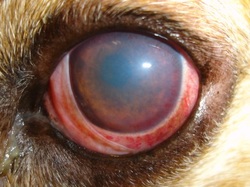
Glaucoma is a condition in which pressure is placed on the eye, causing inadequate fluid drainage in the eye. If the condition becomes chronic or persists without treatment, it will eventually cause permanent damage to the optic nerve, resulting in blindness.

Glaucoma is common in certain dog breeds that are genetically predisposed, such as Samoyeds, Cocker Spaniels, Poodles, Chow Chows, and Siberian Huskies. Unfortunately, 40 percent of dogs affected by glaucoma will become blind in the affected eye within the first year, regardless of medical or surgical treatment.

Symptoms and Types
There are two main types of glaucoma: primary and secondary. Symptoms for sudden primary disease, due to the eye's inability to drain through the filtration angles of the eye, are as follows:

  • High pressure within the eye
  • Blinking of the eye
  • The eyeball may recede back into the head
  • Redness of the blood vessels in the whites of eyes
  • Cloudy appearance at front of the eye
  • Dilated pupil – or pupil does not respond to light
  • Vision loss

Long-term, advanced disease:

  • Enlargement of the eyeball (buphthalmos)
  • Obvious loss of vision
  • Advanced degeneration within the eye


Symptoms for secondary glaucoma, or glaucoma due to secondary eye infection(s), include:

  • High pressure within the eye
  • Redness of the blood vessels in the whites of eyes
  • Cloudy appearance at front of the eye
  • Inflammatory debris visible in the front of the eye
  • Possible constriction of the pupil
  • Possible sticking of the iris to either the cornea or the lens
  • Possible that the edge of the iris circularly sticks to the lens

In addition, there may be:

  • Headaches, with head pressing to relieve feelings of pressure in head
  • Loss of appetite
  • Change in attitude, less desire to play or interact

Causes
High pressure in the eye occurs when the normal outflow of fluid in the eye is impaired due to a primary eye disease such as the improper development of the eye's filtration angles, or secondary to other eye diseases such as primary lens luxation (slipping of the lens in the eye), inflammation of the tissues of the eye, eye tumor(s), or blood collection in the front of the eye from injury. In dogs, secondary glaucoma is more common than primary glaucoma.

Diagnosis
You will need to give a thorough history of your dog's health, onset of symptoms, as far as you have been able to tell, and possible incidents that might have preceded this condition, such as injuries to the eye (even those which you consider minor). During the physical examination, your veterinarian will test the pressure within your dog's  eyes using a tonometer on the surface of the eye. If the disease began suddenly, your veterinarian will refer your dog to a veterinary ophthalmologist for a detailed examination of both eyes, including evaluation of the filtration angles by gonioscopy -- measuring the anterior of the eye. Pressure within the eye can measure as high as 45 to 65 mmHg, making this a very painful condition.

Electroretinography will be also performed by the veterinary ophthalmologist to determine if the eye will remain blind despite treatment. In secondary diseases, X-rays and an ultrasound may show abnormalities within the eye.

Often both eyes are affected, but not always. In cases where only one eye is affected, steps will be taken to protect the unaffected eye from developing a diseased condition.

Treatment
Your veterinarian will prescribe multiple drugs to lower the pressure within your dog's eye and to get it into the normal range as quickly as possible in an attempt to salvage vision. Often, a dog will have a long-term condition that has gone unnoticed or that has been misdiagnosed before the obvious symptoms of glaucoma have become present. In such cases, the optical nerve has been damaged beyond reparation and surgery may be indicated.

There are different treatments depending on the exact nature of the glaucoma. The fluid may be drained and the fluid producing cells altered to stop fluid buildup within the eye. This process, called cyclocryotherapy, uses cold temperatures to kill the cells that produce intraocular fluid. If found early, this procedure may slow down or stop further progression. However, in most long term cases the eye will have to be removed. The empty eye socket may be closed up permanently, or the eye cavity can be filled with an orb, to keep the ocular space filled.

Most dogs will adjust over time to the loss of their eye, especially as they may have been losing their vision over a period pf time. Talk to your veterinarian about ways in which you can help your dog to transition, and how you can help to make its home and outdoor life easier without its sight. In such cases, you will need to attend your dog when it is outdoors, as it will be more vulnerable to other animals.

Living and ManagementIf the condition has been caught early enough and your veterinarian is able to manage the condition, you will need to revisit your veterinarian regularly to have the pressure within the eye assessed and to monitor for drug interactions and make changes as necessary. Your veterinary ophthalmologist will examine the unaffected (or "good") eye to determine its risk of also developing glaucoma. Because more than 50 percent of dogs with primary glaucoma will develop complications in their unaffected eye within 8 months, preventative therapy should be done quickly.


5 Comments

High Blood Pressure in Dogs 

4/9/2014

0 Comments

 
Systemic Hypertension in Dogs
More commonly referred to as high blood pressure, hypertension occurs when the dog's arterial blood pressure is continually higher than normal. When it is caused by another disease, it is called secondary hypertension; primary hypertension, meanwhile, refers to when it actually is the disease. Hypertension may affect many of the dog's body systems, including heart, kidneys, eyes, and the nervous system.


Symptoms and Types
The following are just some of the more common symptoms displayed by dogs with high blood pressure:

  • Seizures
  • Circling
  • Disorientation
  • Blindness
  • Dilated pupils
  • Retinal detachment
  • Hemorrhage of the eye
  • Blood in the urine
  • Protein in the urine
  • Bleeding from the nose
  • Swollen or shrunken kidneys
  • Heart murmurs
  • Weakness, either on one side of the body or in the legs
  • Involuntary oscillation (rolling) of the eyeballs
  • Palpable thyroid gland (when hyperthyroid)


Causes

The cause of primary hypertension in dogs is not known. However, there have been instances where breeding dogs with hypertension have produced offspring with hypertension, so it seems likely that there is a genetic component.

So how prevalent is this form of hypertension? Studies have varied, but one study found that between 0.5 percent and 10 percent of dogs suffer from high blood pressure. Ages of dogs with hypertension ranged 2 to 14 years old.

Secondary hypertension, which accounts for 80 percent of all hypertension cases, may be due to a variety of factors, including renal disease, hormonal fluctuation, and hyperthyroidism.

Diabetes may also be a cause for hypertension, although it is uncommon in dogs. If you suspect that your dog is suffering from hypertension, bring it in so that your veterinarian may provide a proper diagnosis.

Diagnosis
Blood pressure is often measured in pets in the same manner as in humans. An inflatable cuff will be placed on the dog's paw or tail, and standard blood pressure measuring instruments will check the pressure. It is important to keep the dog still long enough to get an accurate reading.

The standards for dog blood pressure are:

  • 150/95 – at this reading or below, there is minimal risk and treatment is not recommended
  • 150/99 to 159/95 -- intervention is rotuinely not recommended at these readings
  • 160/119 to 179/100 -- treatment should be sought to limit the risk of organ damage
  • 180/120 -- immediate treatment should be sought to limit the degree of other more severe complications


Five to seven measurements are generally taken. The first measurement will be discarded, and the dog's excitement level during the procedure will be taken in account. If the results are in dispute, the procedure will need to be repeated.

Treatment
The underlying cause of the high blood pressure will be treated first. Otherwise, the dog will probably be on medication to control the blood pressure indefinitely. The medication of choice is either a calcium channel blocker or a beta-blocker. As to dog's diet, the veterinarian may recommend food that are lower in sodium.

Blood pressure should be checked regularly, and some lab tests may be ordered by your veterinarian to measure your dog’s reactions to the medication.

0 Comments

Hypothyroidism in Dogs 

4/2/2014

1 Comment

 
Hypothyroidism in Dogs
The thyroid gland is an essential gland in the body, producing a number of hormones, including T3 (liothyronine) and T4 (levothyroxine), both of which are required for normal metabolism in the body.

Hypothyroidism is a clinical condition resulting from a lowered production and release of T4 and T3 hormones by the thyroid gland. It is common in medium to large-sized dogs, with some being more predisposed than others. These breeds include Doberman Pinschers, Irish Setters, Golden Retrievers, Labrador Retrievers, Great Danes, Bernese Mountain Dog, Rottweiler, Dachshund ,Old English Sheepdogs, Miniature Schnauzers, Boxers, Poodles, and Cocker Spaniels. It is also more commonly diagnosed in middle-aged dogs between the ages of 4-10 years. Neutered male dogs and spayed females are found to be at higher risk than intact dogs.

Symptoms and Types
  • Lethargy
  • Generalized weakness
  • Inactivity
  • Mental dullness
  • Unexplained weight gain
  • Hair loss (alopecia)
  • Excessive hair shedding
  • Poor hair growth
  • Dry or lusterless haircoat
  • Excessive scaling
  • Recurring skin infections
  • Intolerance to cold
  • Tilting of head to one side (uncommon)
  • Seizures (uncommon)
  • Infertility (uncommon)

Causes
  • Unknown etiology (origin)
  • Congenital disease
  • Iodine deficiency
  • Cancer
  • After-effect of medical treatment, including surgery

Diagnosis

Your veterinarian will perform a thorough physical exam on your dog, taking into account the background history of symptoms and possible incidents that might have precipitated this condition. You will need to provide your veterinarian with a thorough history of your dog's health leading up to the onset of symptoms.

Finding the exact cause of hypothyroidism may require a thorough investigation. Routine laboratory testing will include a complete blood count, biochemistry profile, and urinalysis. Your doctor may be able to make an initial diagnosis based on the results of these tests, but endocrine testing is also an important panel for the diagnosis of hypothyroidism. The levels of T3 and T4 will be measured to determine if these are in the lower ranges. Radiographic studies may also be conducted to examine your dog internally for abnormalities that may be causing the dysfunction of the thyroid glands.

Treatment
Good treatment options are available for treating hypothyroidism in dogs. The treatment is usually life-long, with carefully administered medication given in conjunction with dietary restrictions at home. The deficient hormones are given insynthetic form, with the dosage adjusted occasionally based on your dog's individual physical condition and progress. Most clinical symptoms will resolve after a few months, but only your veterinarian can determine whether your dog's medicine dosage should be adjusted or changed.

Living and Management
Conscientious compliance with the prescribed drugs and diet is required for successful therapy. Your veterinarian will adjust the dosage of the synthetic hormones as necessary for your dog, and will also monitor the usefulness of any medications that have been prescribed. To avoid complicating the condition, do not change the type or dosage of the drug yourself, and never give anything new to your dog without first consulting with your veterinarian. This caution includes the use of herbal remedies. Diet modifications, including a reduction in fat, are recommended during the initial phase of therapy. Most dogs respond well to therapy, with activity levels and mental alertness increasing significantly after only a relatively short time.

1 Comment
<<Previous
Forward>>
    PET SCAN Blog: 
    The INNER Pet... 
    Pet Health Inside & Out
    The goal of this blog is to help educate pet owners by sharing pet health facts and interesting pet news articles

    Archives

    September 2019
    August 2019
    June 2016
    March 2016
    November 2015
    June 2015
    April 2015
    March 2015
    January 2015
    December 2014
    November 2014
    October 2014
    September 2014
    August 2014
    July 2014
    June 2014
    May 2014
    April 2014
    March 2014
    February 2014
    January 2014

    Categories

    All
    Cancer In Pets
    Cat Health
    Dog Health
    Fun Facts
    Pets In The News
    Research News
    Videos

    RSS Feed

"YOUR Partner for Advanced Diagnostic Excellence"
Providing mobile ultrasound consultation services to veterinarians in Chandler, Gilbert, Mesa, Tempe, Ahwatukee, Scottsdale, and the Greater Phoenix Metropolitan Area. 
Picture


Proud member of the
American Veterinary Medical Association